
CENTRAL PARK COOP
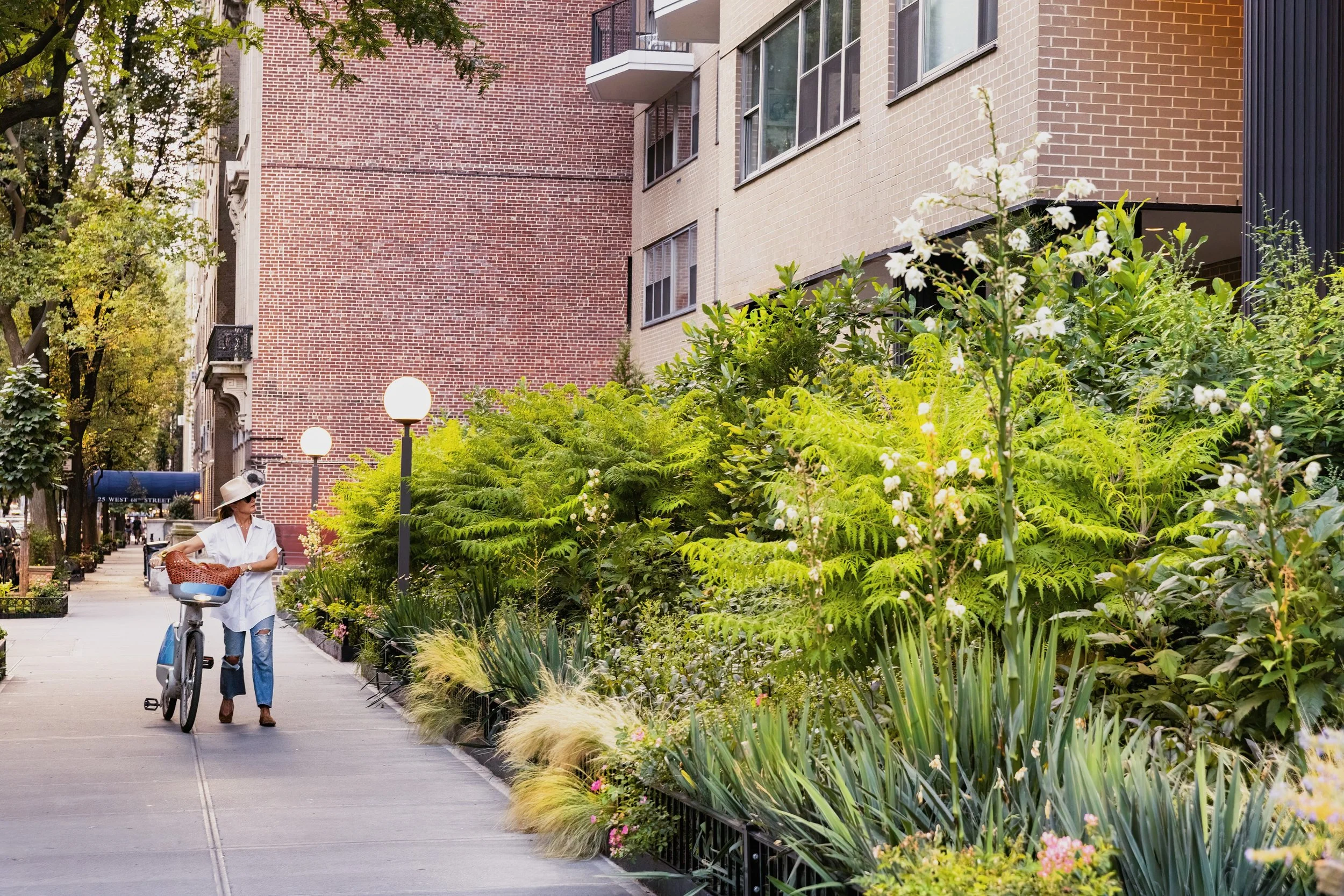
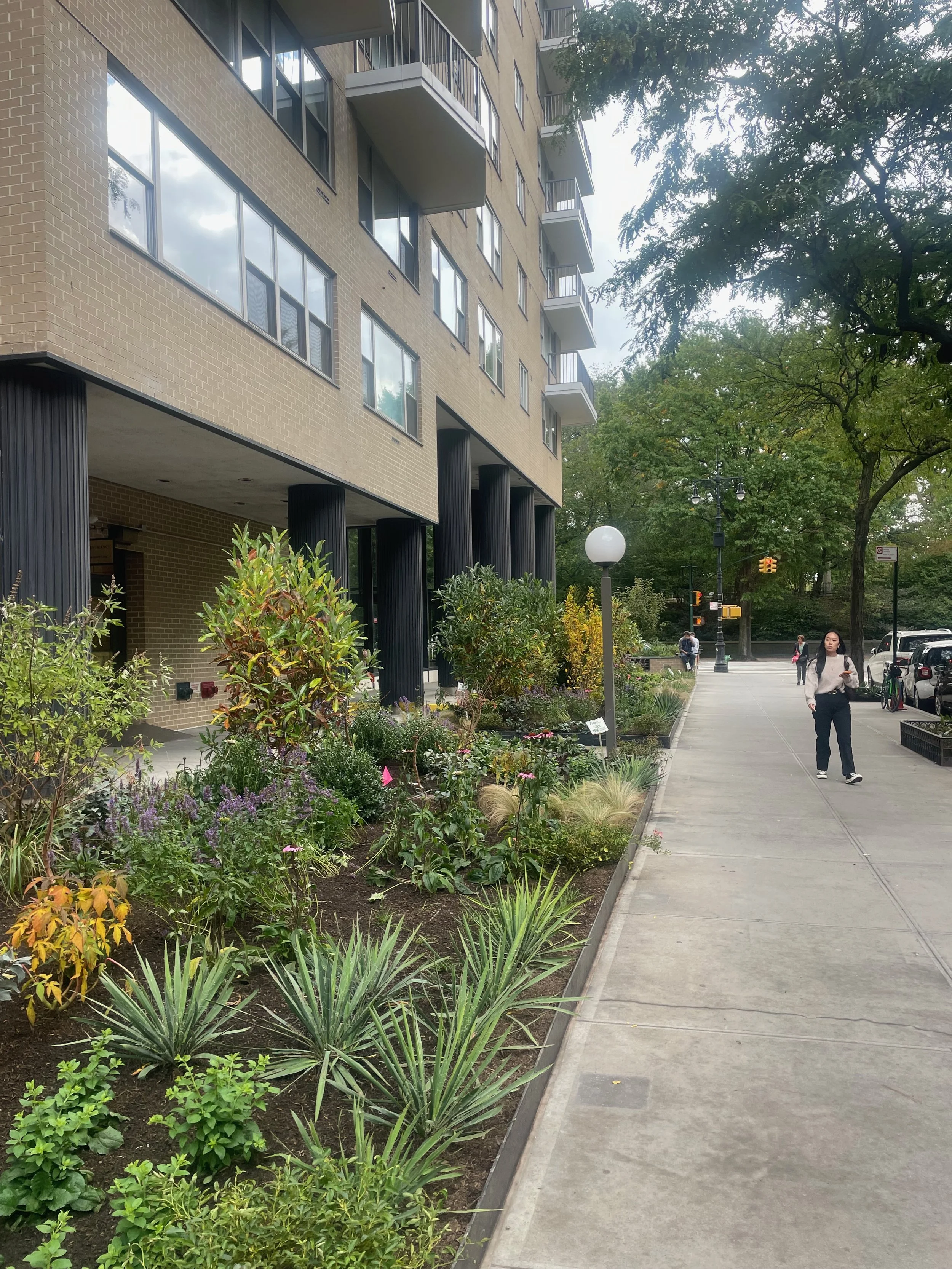
With our signature plant magic, we redesigned a front planting along Central Park West in Manhattan’s Upper West Side neighborhood for a large coop building. These garden beds in the city are usually very traditional so we were thrilled this building embraced a more natural and ecological landscape for the front of their building. Gone were the formal boxwood hedges and loads of annuals every year, in is a wide diversity of 70% native plant selections with shrubs, evergreens, and tons of flowers included.
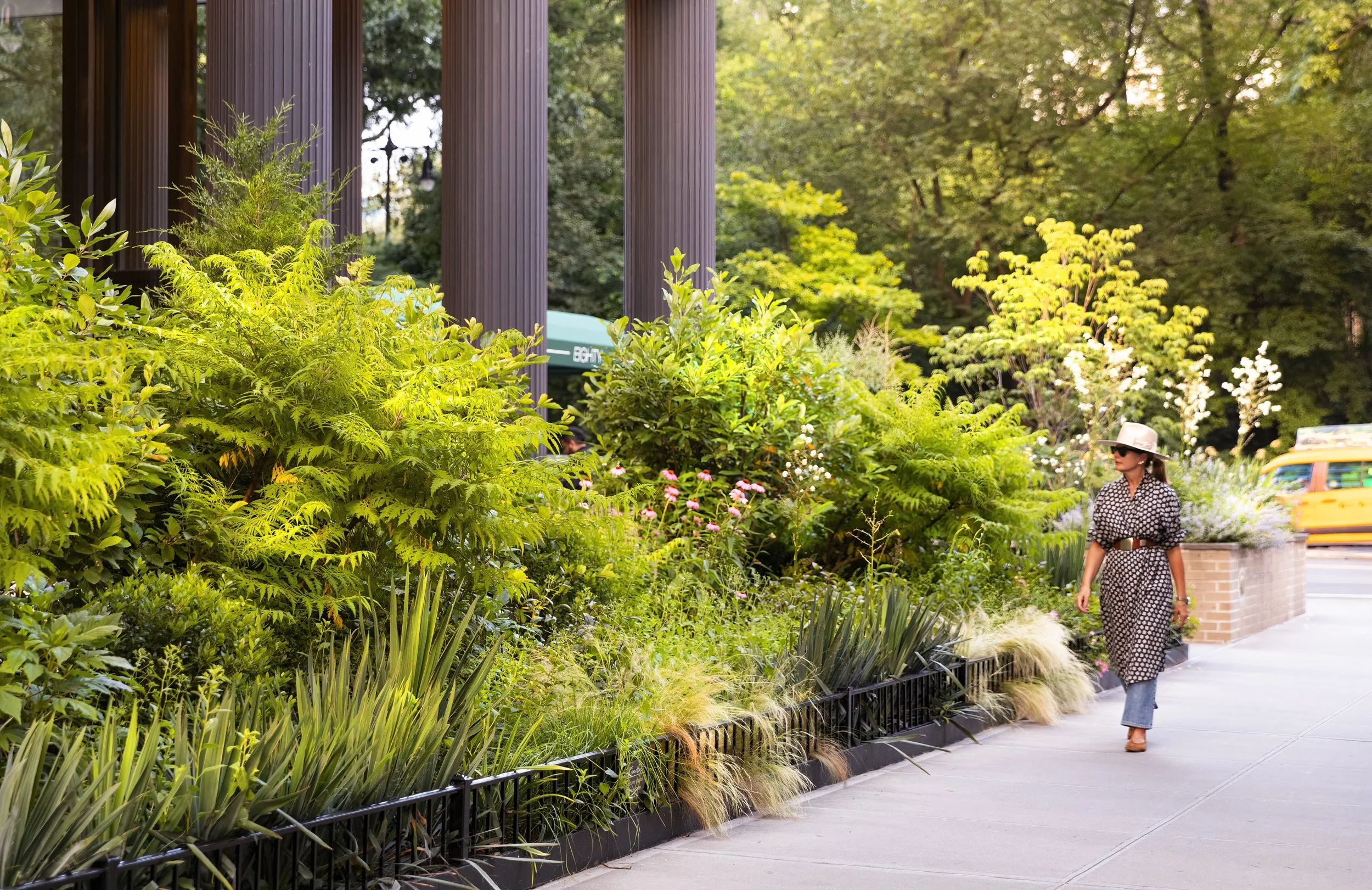

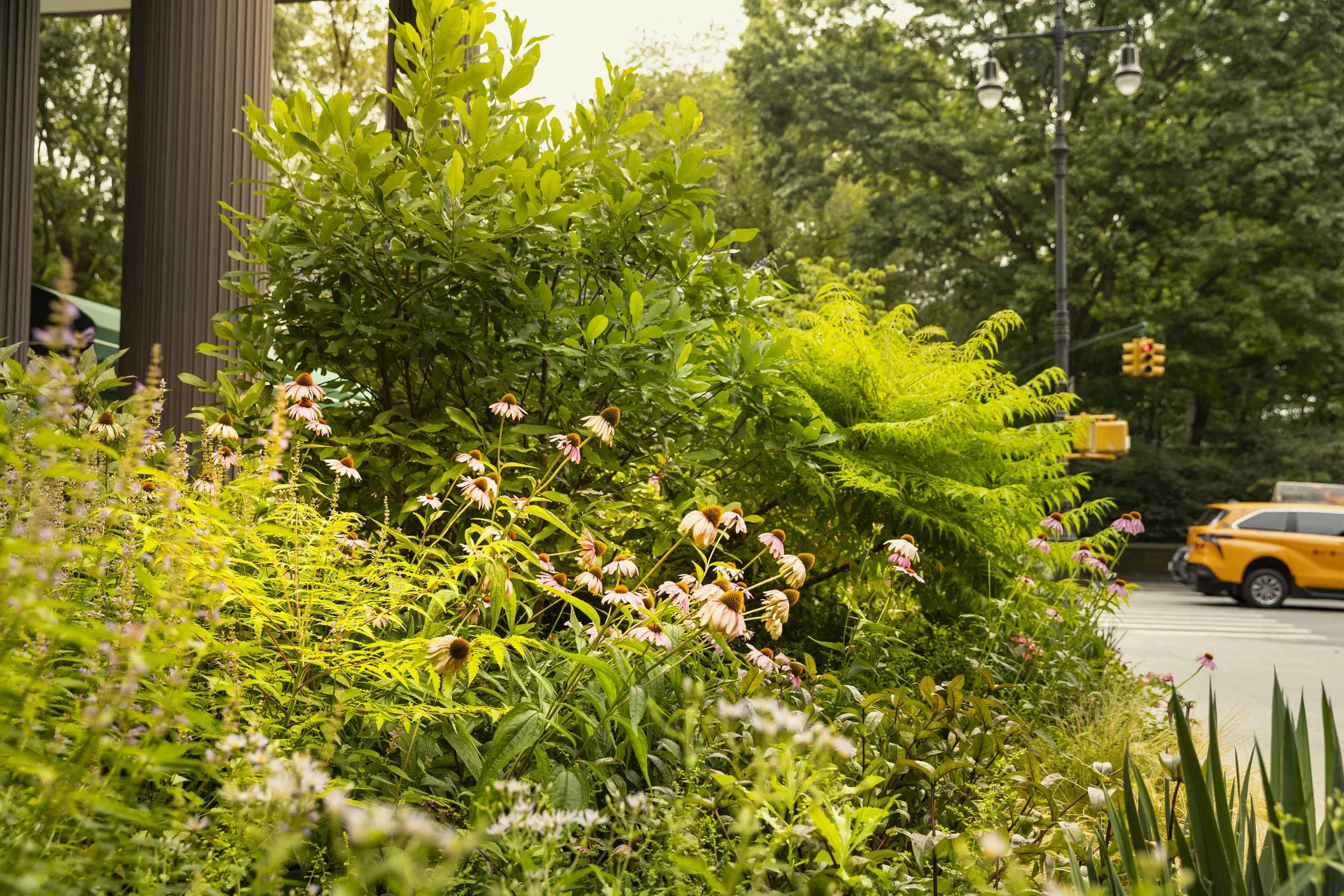


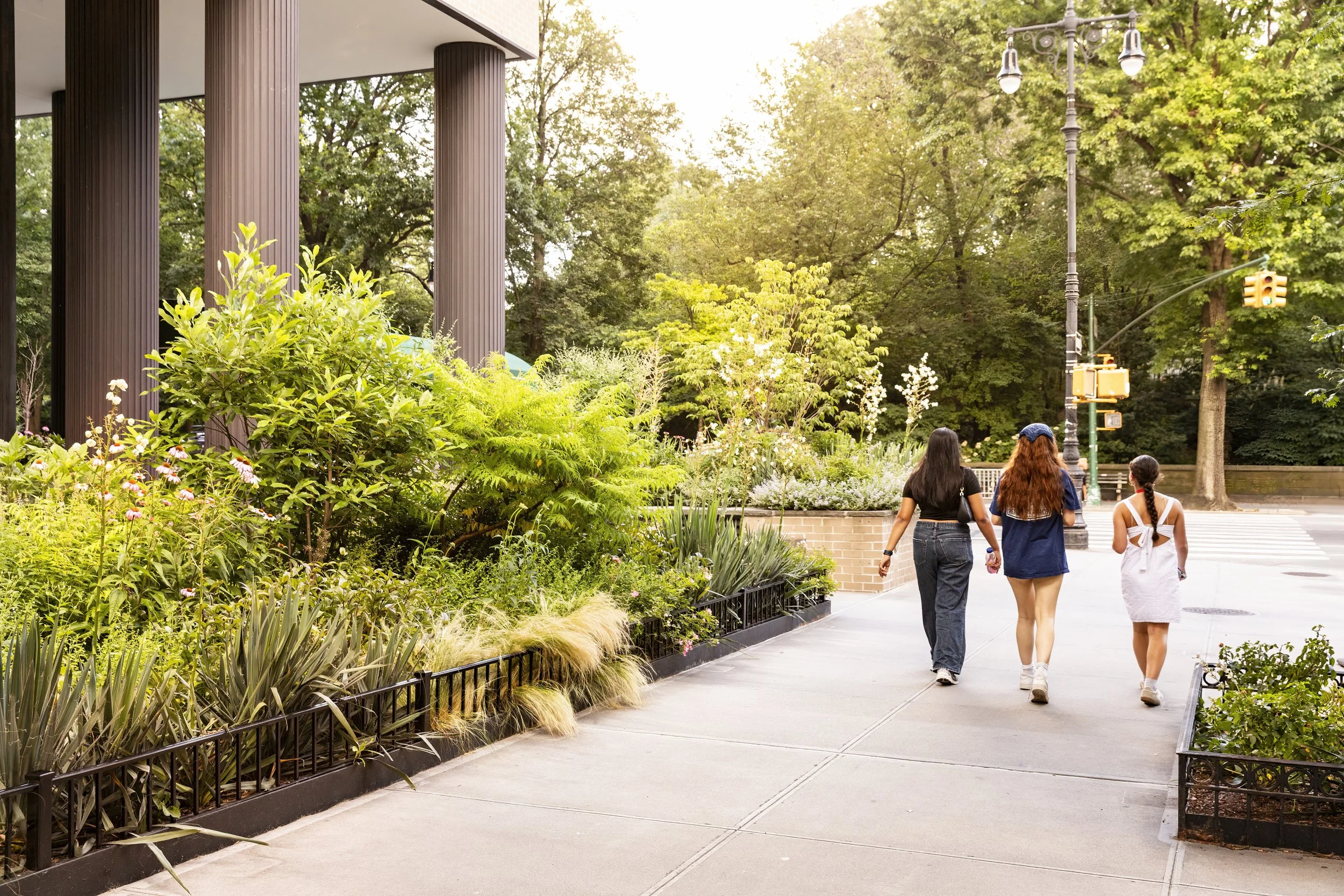

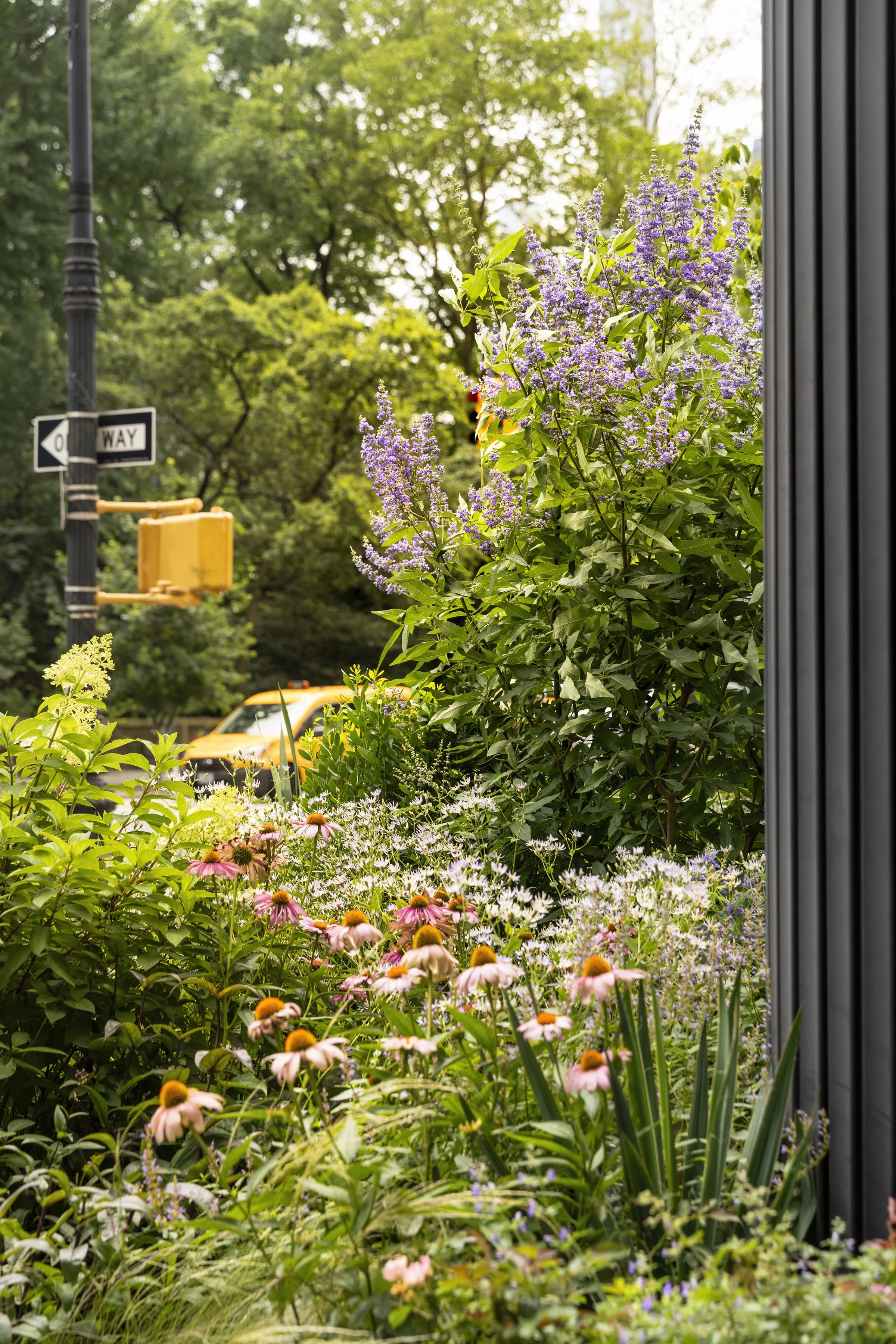
This large, 172 unit co-op, sitting along the western edge of Central Park, had always had the neighborhood's typical plantings of boxwood, liriope and begonias. The generic horticulture created a harsh exit from the sanctuary of the park and return to anonymous, urban life. The goal of our design was to bring the vibrant ecosystem of the park and the natural world right up to the doorstep of the building, defining the sense of place and creating an oasis for tenants, wildlife, and the thousands of people who pass by this busy intersection each day. Several areas surrounding the building were redesigned with an ecologically driven, perennial forward planting palette—a mix of trees, shrubs, and understory plantings that provides year-round beauty and habitat. The redesign encompassed four street tree beds, three expansive garden beds along the southern edge of the building on 68th Street, a series of raised garden beds at the Central Park West entrance, and multiple large planters defining the primary entry sequence.
With the help of a few dedicated tenants, convincing the co-op board to adopt a naturalistic planting approach required demonstrating that carefully selected perennial-based plantings can perform reliably, maintain aesthetic integrity throughout the seasons, and reduce long-term maintenance demands—even in highly trafficked urban environments.
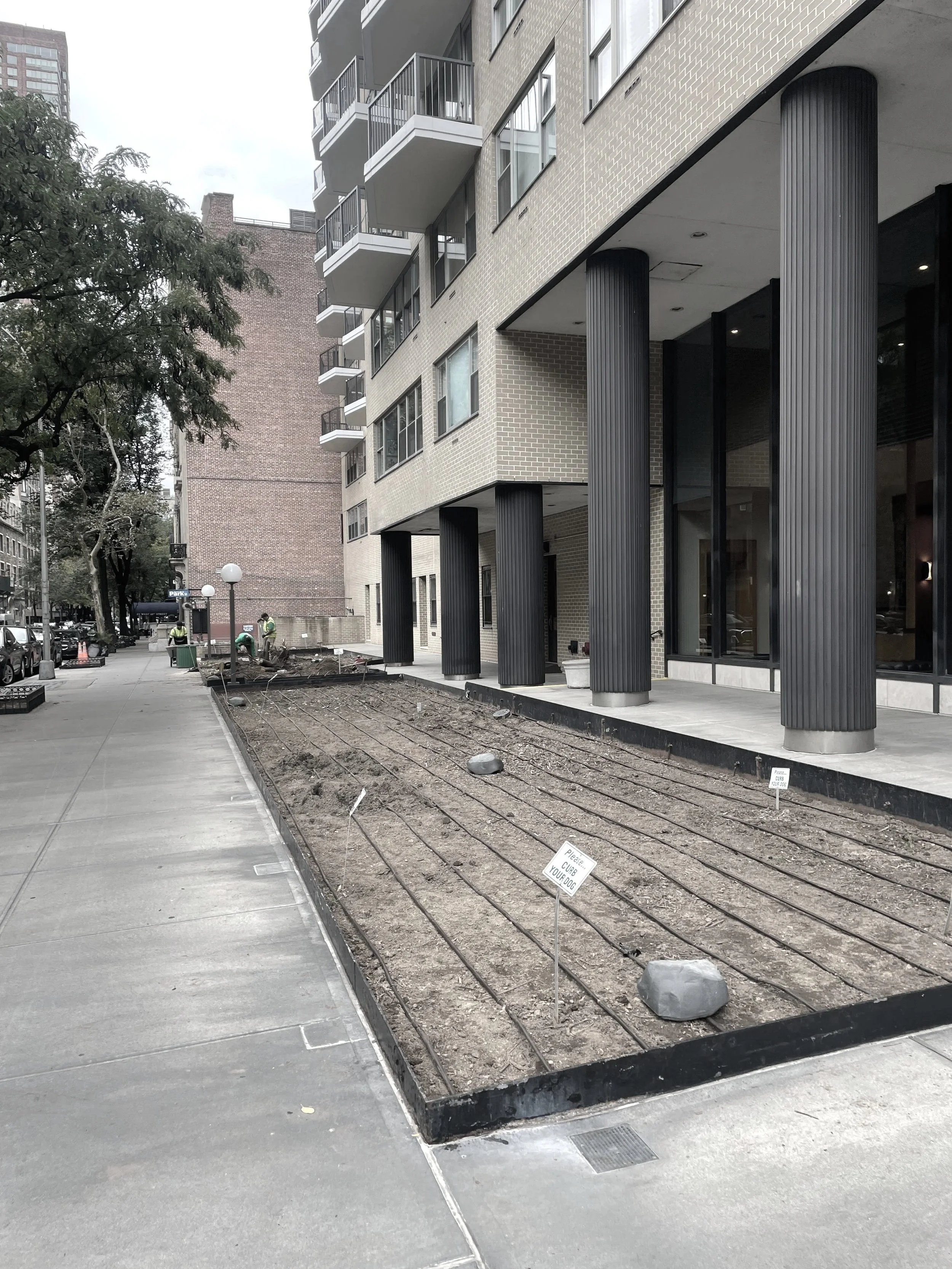
BEFORE
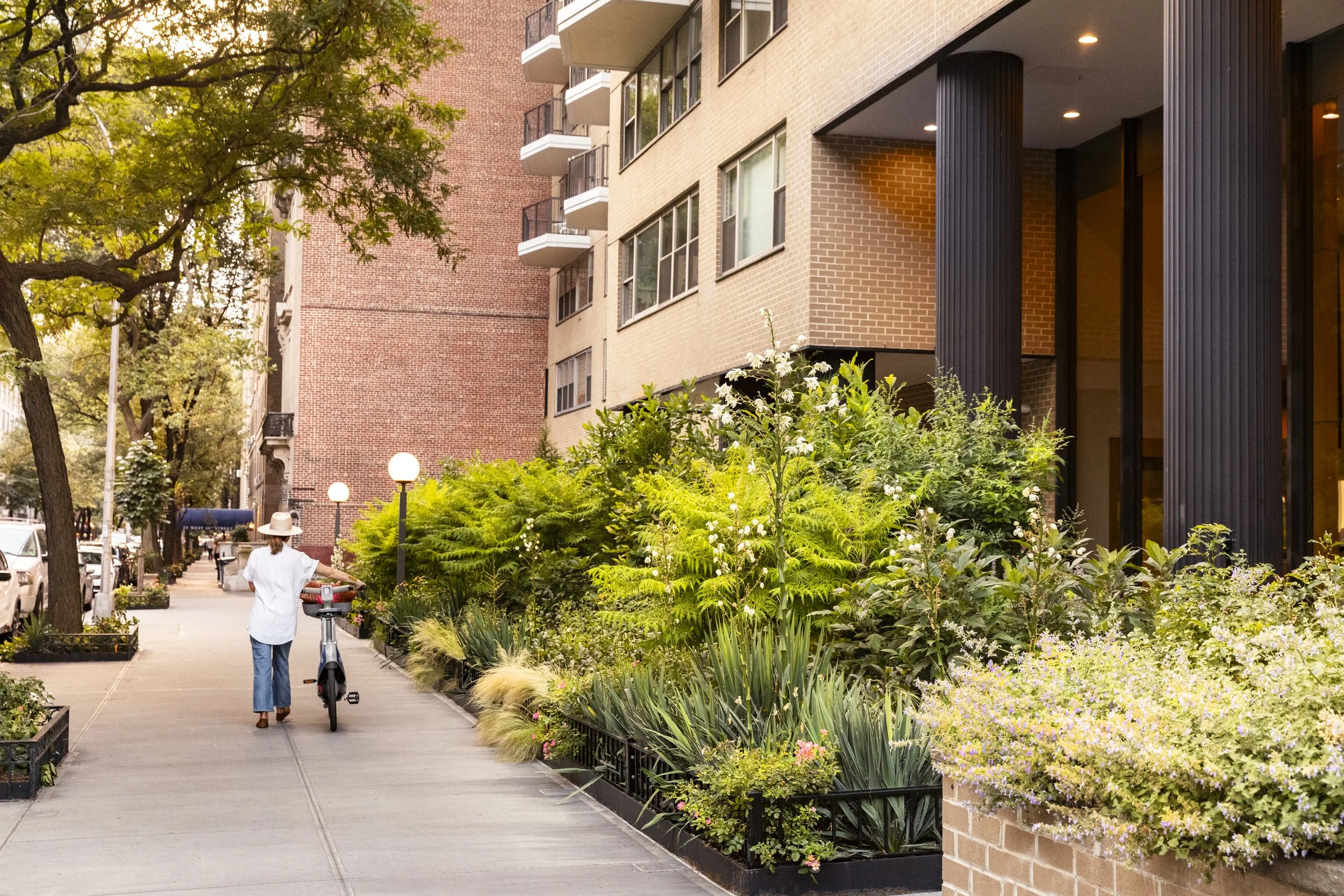
AFTER
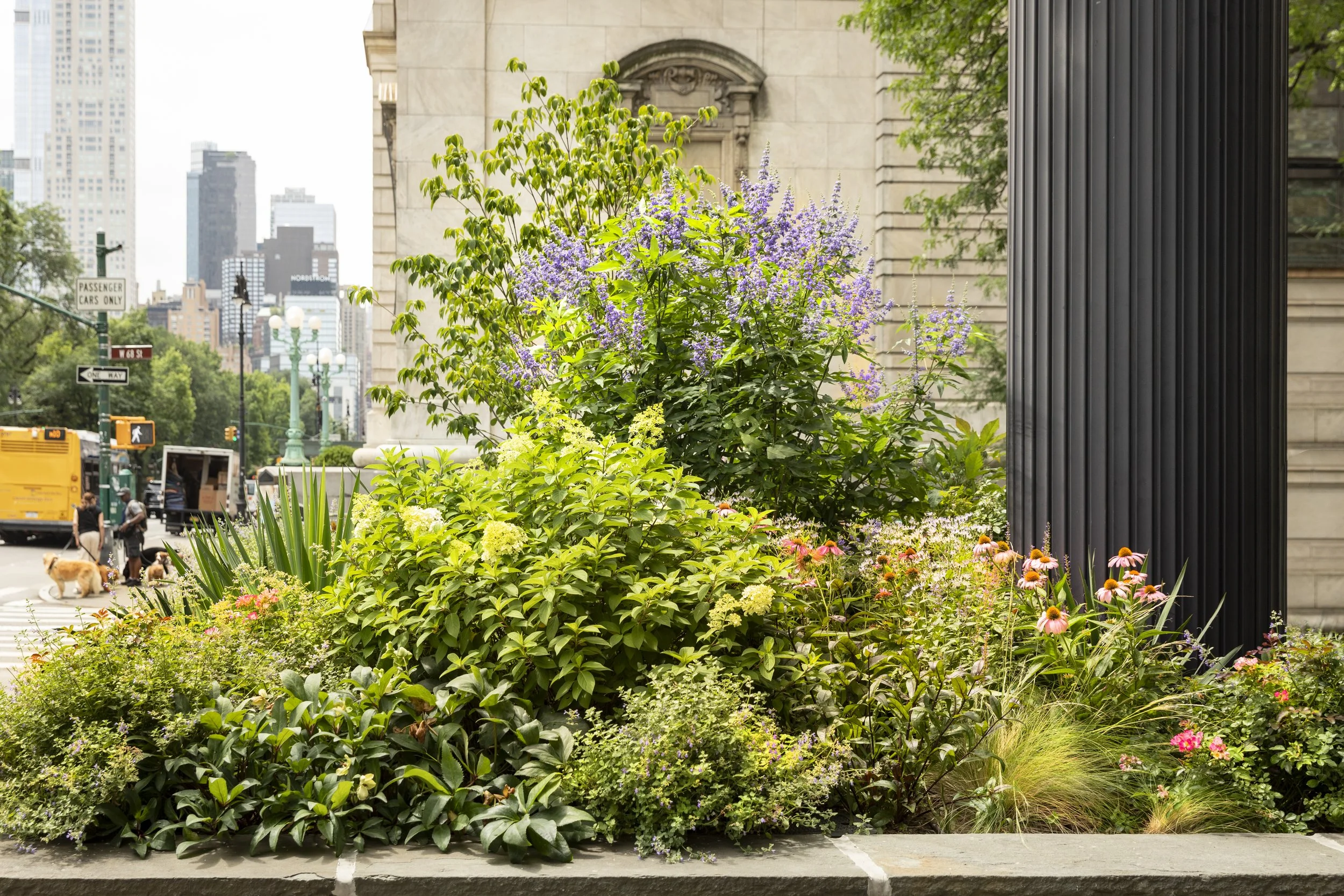
AFTER
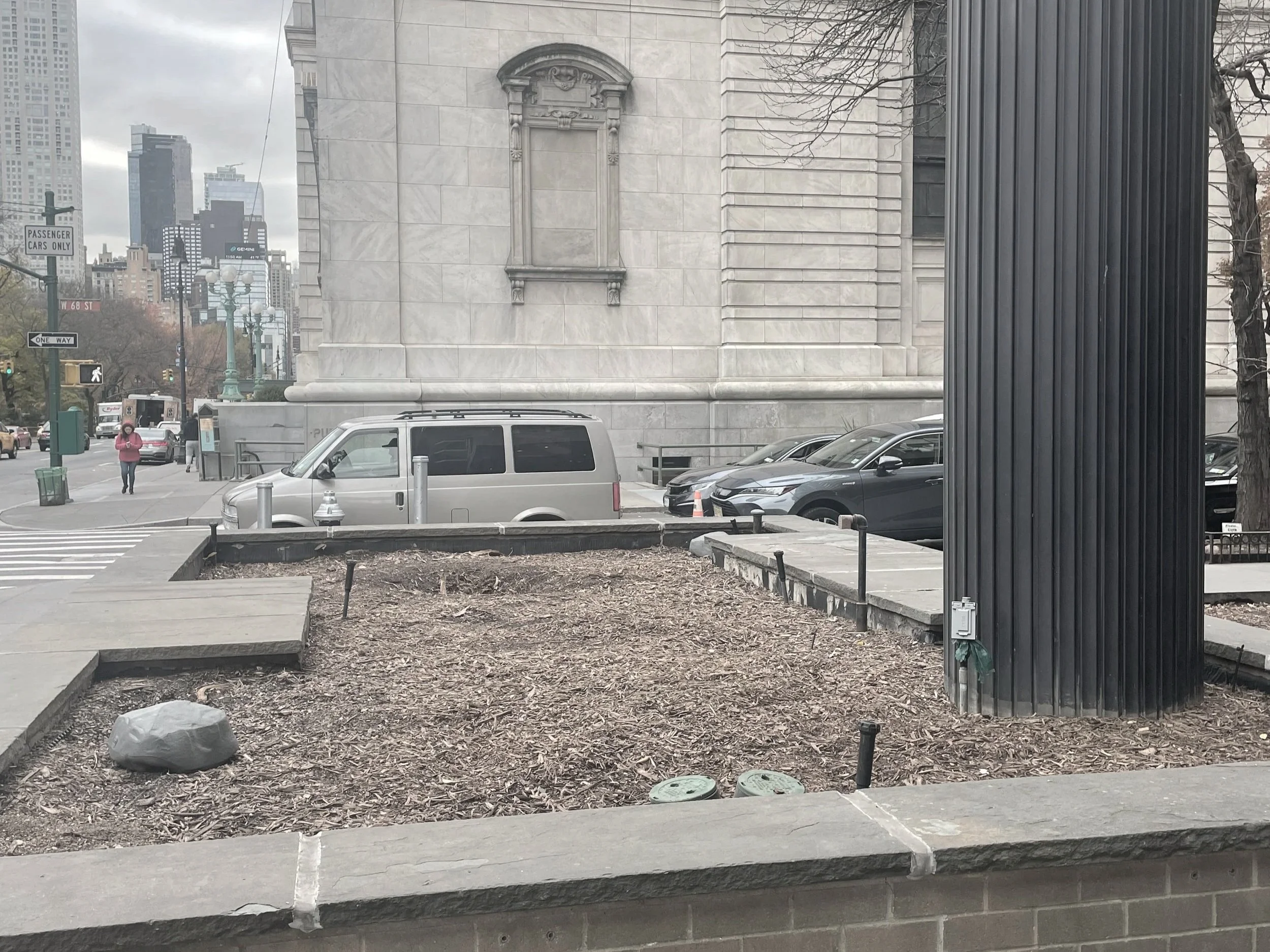
BEFORE
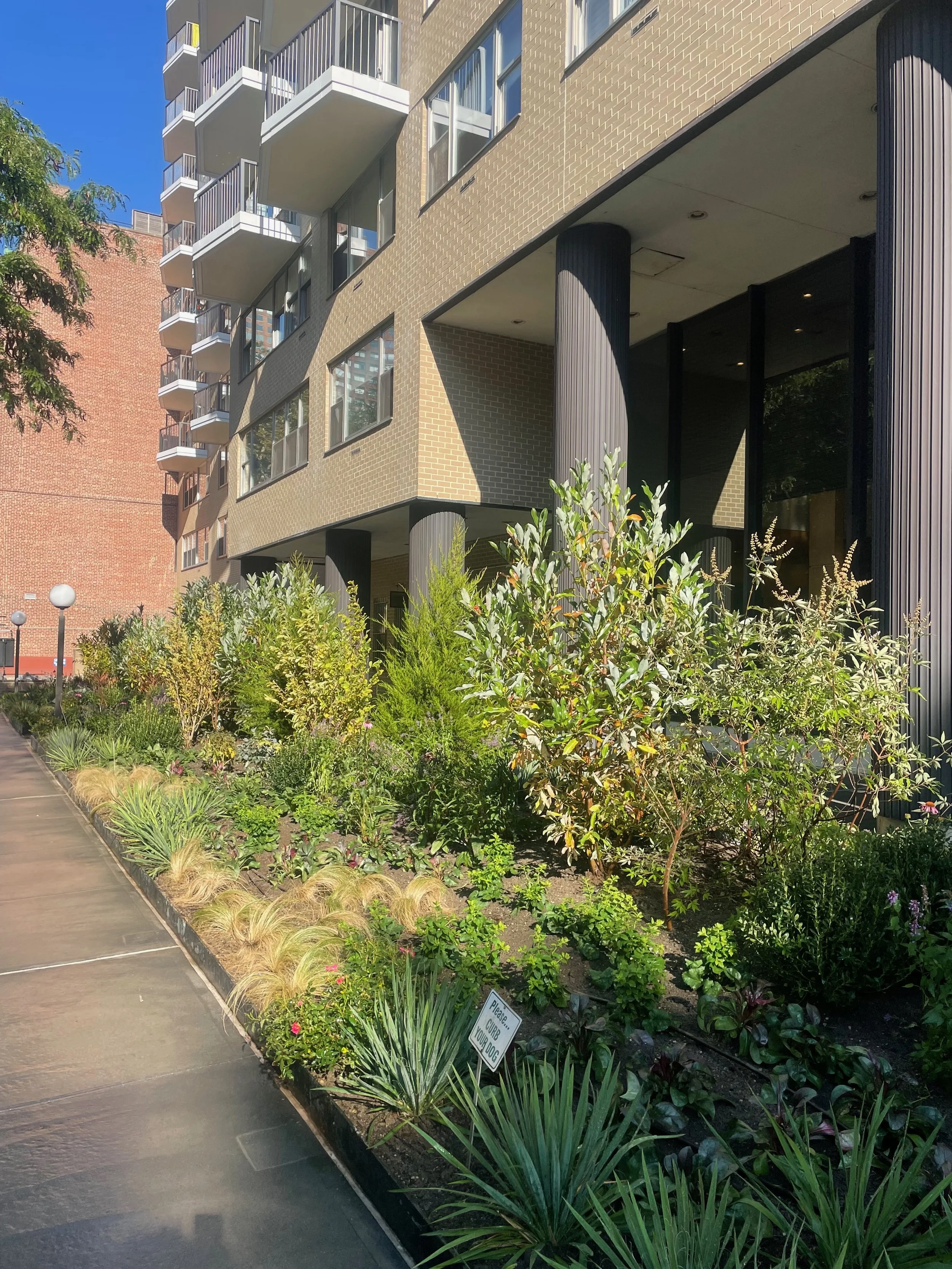
Throughout the garden beds, native flowering trees, shrubs, and evergreen species establish a strong structural framework while providing continuous seasonal interest. The perennial understory is layered and massed in defined blocks for continual seasonal bloom and visual coherence. Three Rhus typhina ‘Tiger Eyes’ in the long bed reference the character of the straight species; in this urban context, their refined habit and vibrant foliage provide both focal interest and compositional clarity.
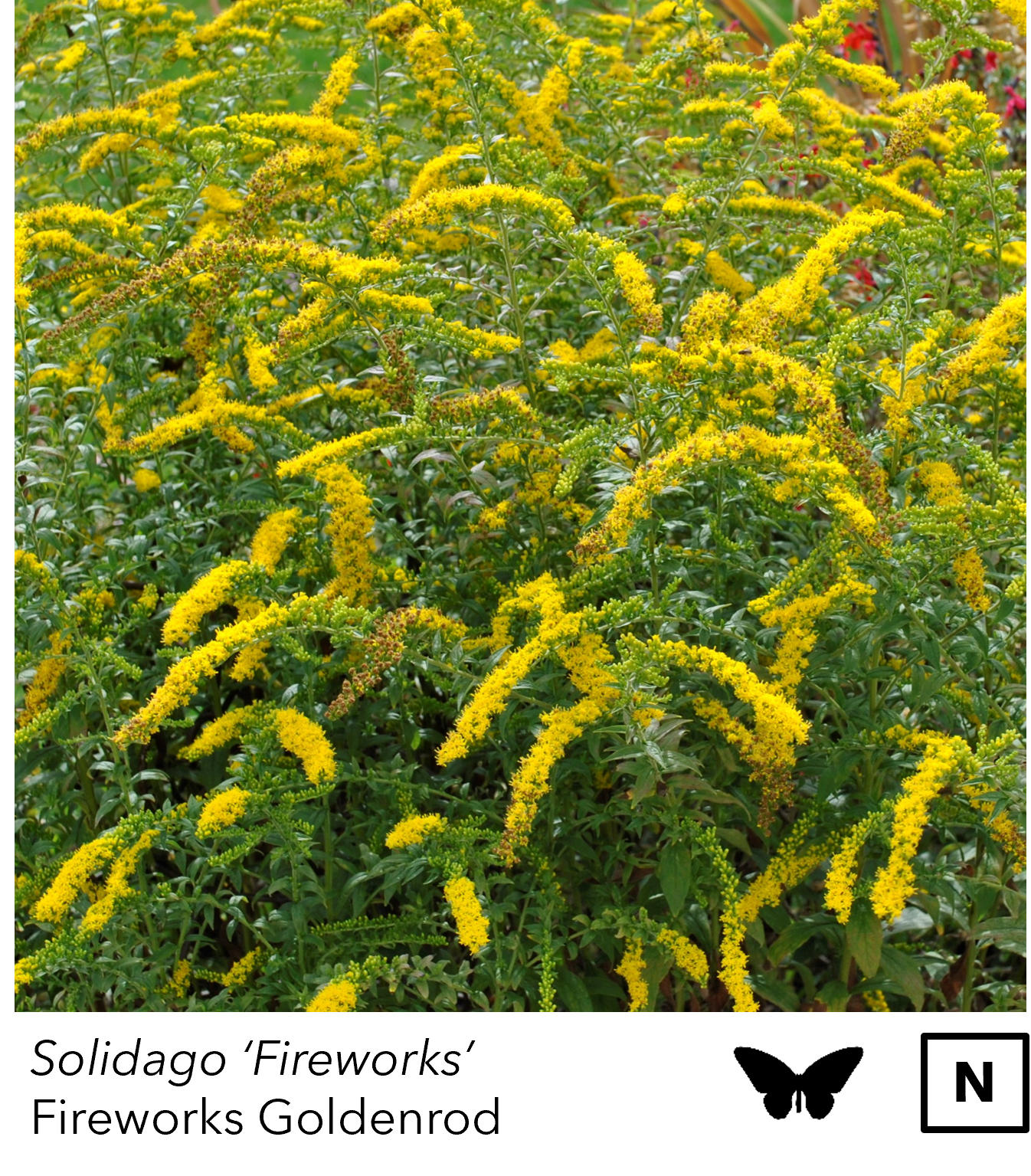
Perennials with thick, leathery foliage and structurally dense grasses are used throughout to create moments of visual pause, heightening contrast and drawing attention to more delicate flowering species. Bronze-toned Nassella tenuissima softens bed edges and functions as a dynamic foil for showier blooms. Repeating groupings of Yucca filamentosa introduce a strong vertical rhythm, while the plant’s broad, architectural foliage provides visual order and durability, anchoring airier native species such as Aster, Solidago, and Agastache.
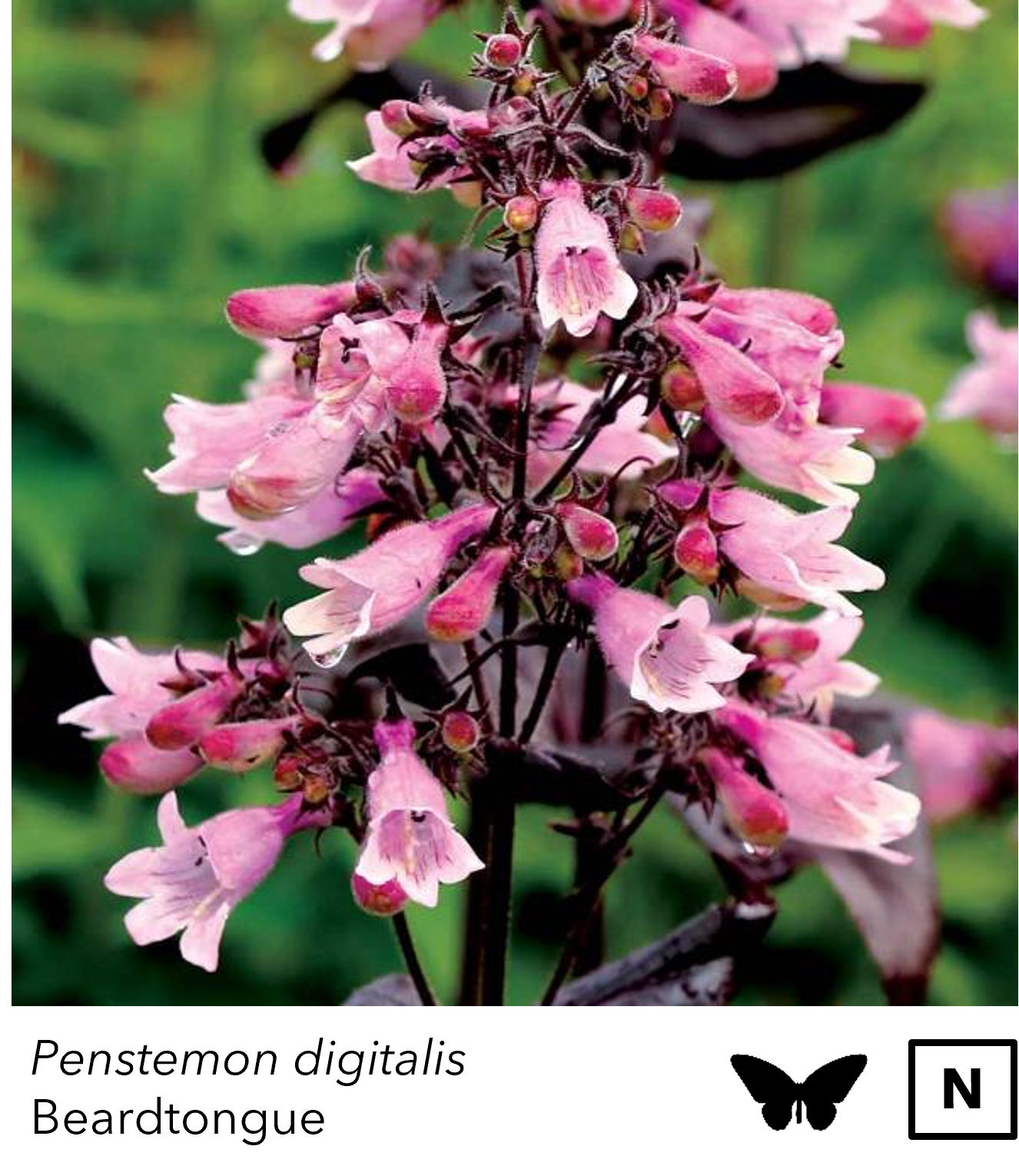
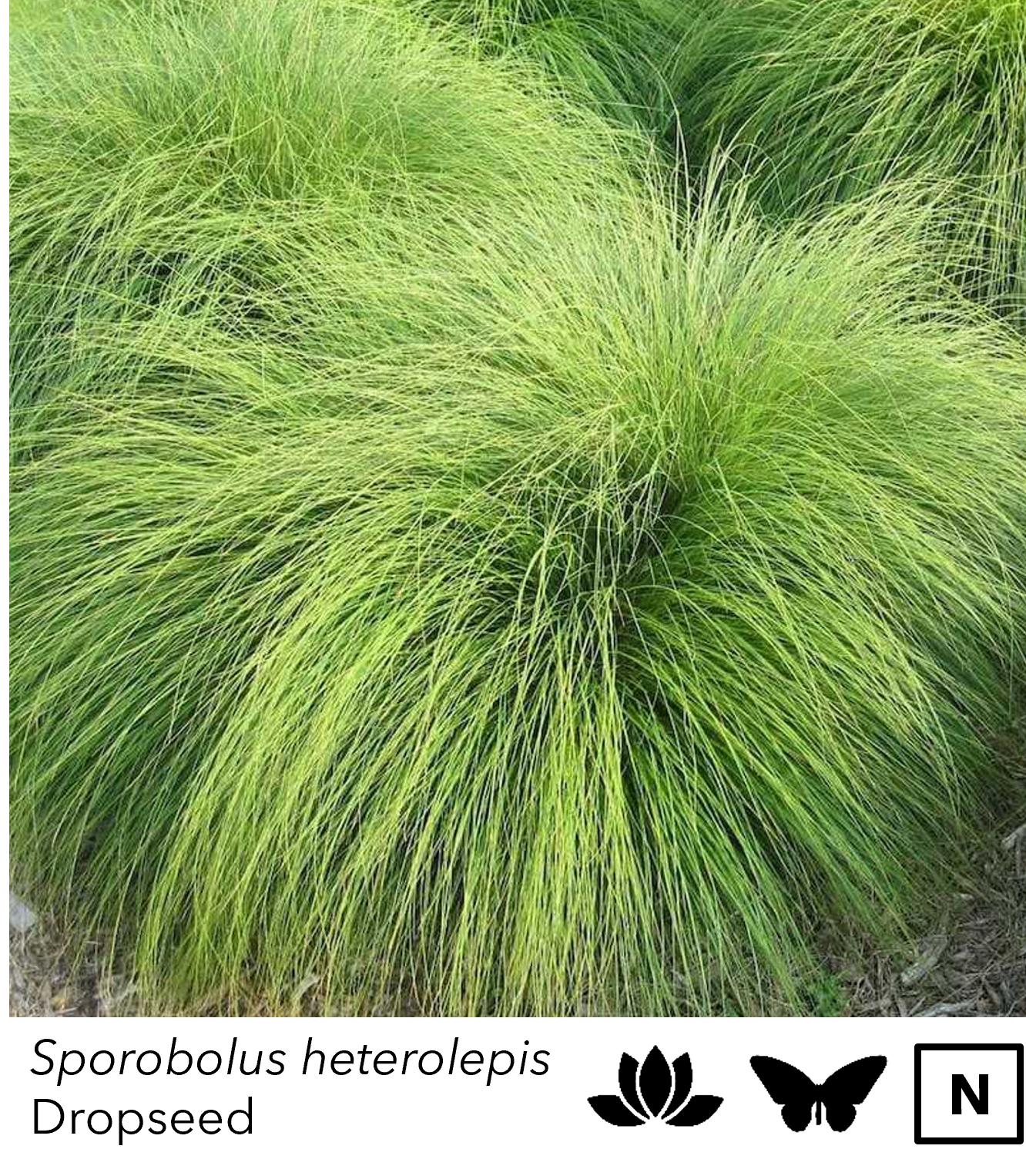
Some of the plant selection included:


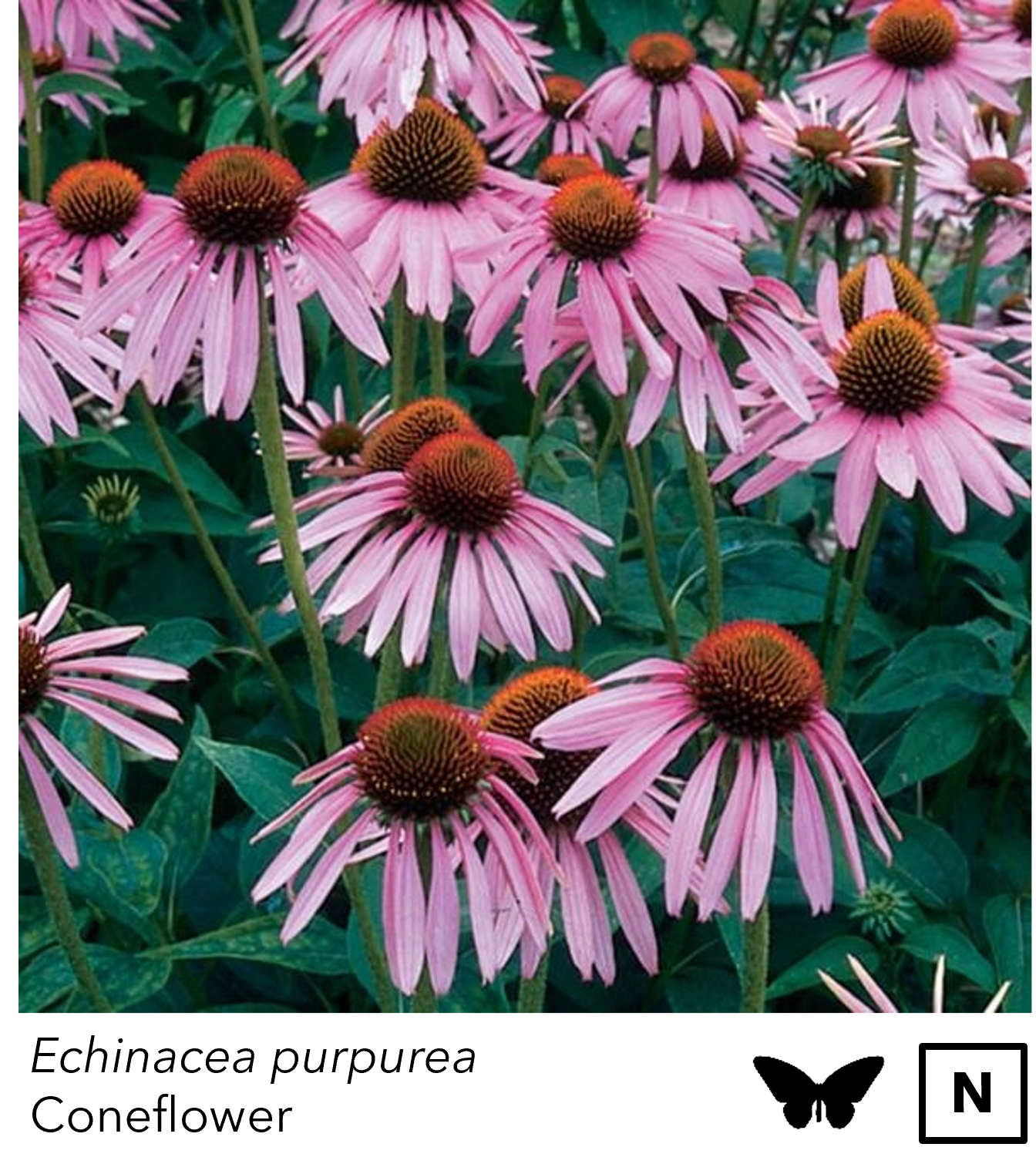
Community Design Process Design Wild specializes in collaborative, community-driven landscapes, and this project exemplifies that approach. Our firm was brought in by a passionate board member and our role included both designing the plantings and helping to build consensus for a more ecologically oriented landscape. Within the co-op association, members held differing expectations for aesthetics, maintenance, and budget. Many had fears about the landscape looking unkempt and being cost-prohibitive. Our process included carefully listening to residents’ concerns and dreams. We demonstrated how ecological plantings could meet resident expectations while offering greater resilience, seasonal interest, and reduced inputs compared to traditional landscape models. By framing ecological design as both an environmental and practical investment, the project ultimately gained broad support and collective ownership. We hope this will be a shining example to other co-op boards around the city and encourage buildings to replace the traditional, generic planting model in favor of more ecologically rich landscapes.
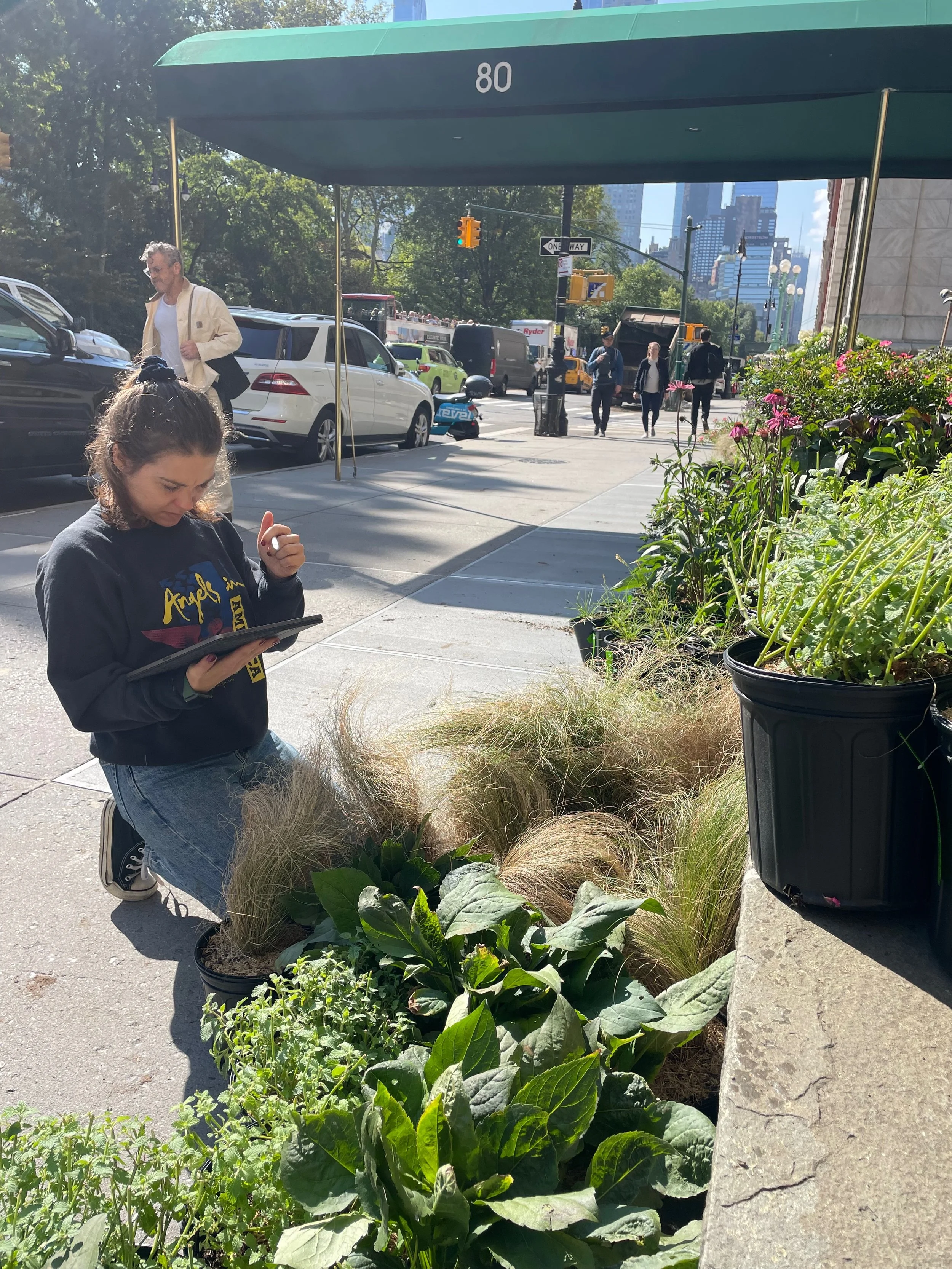
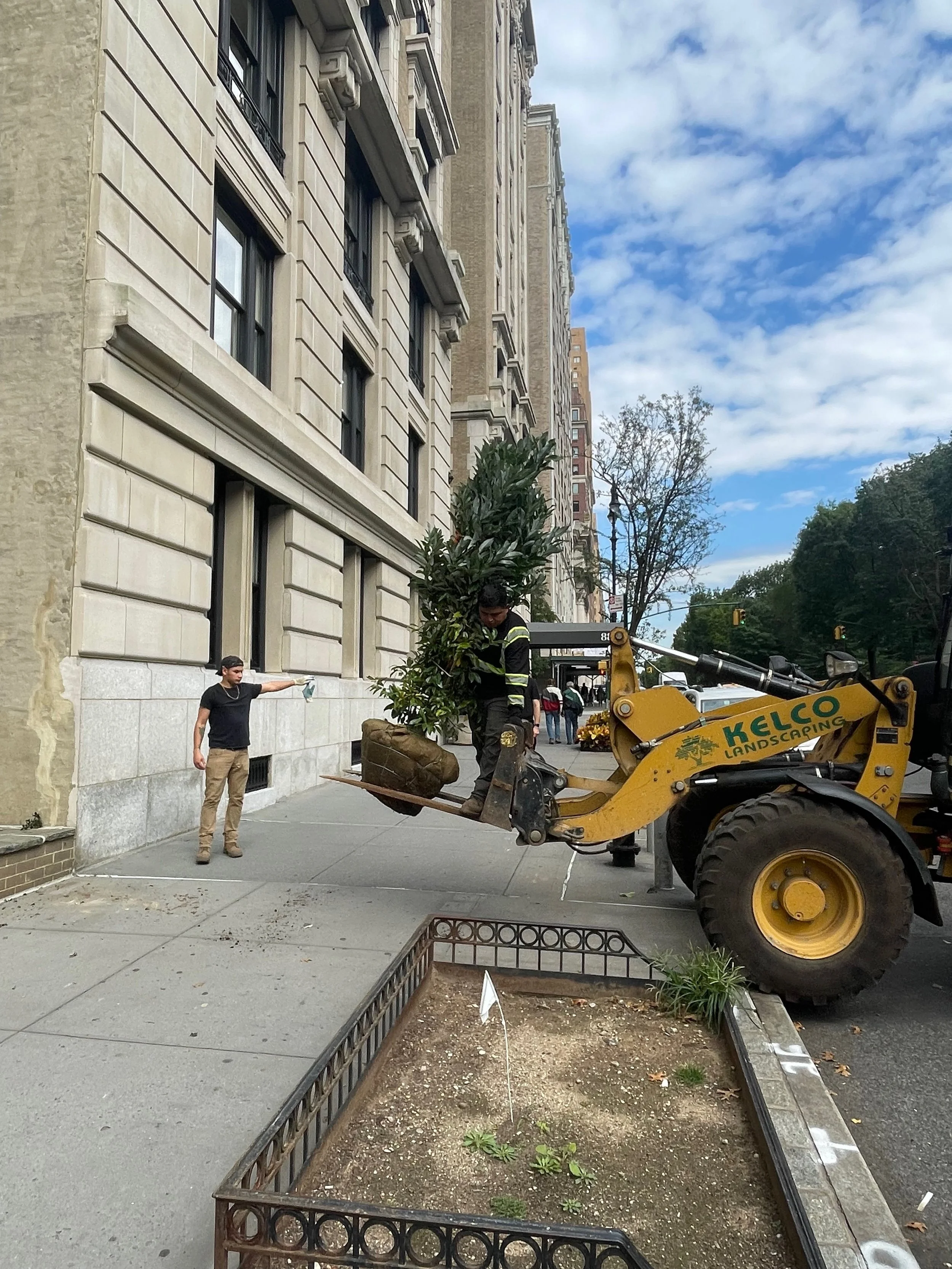
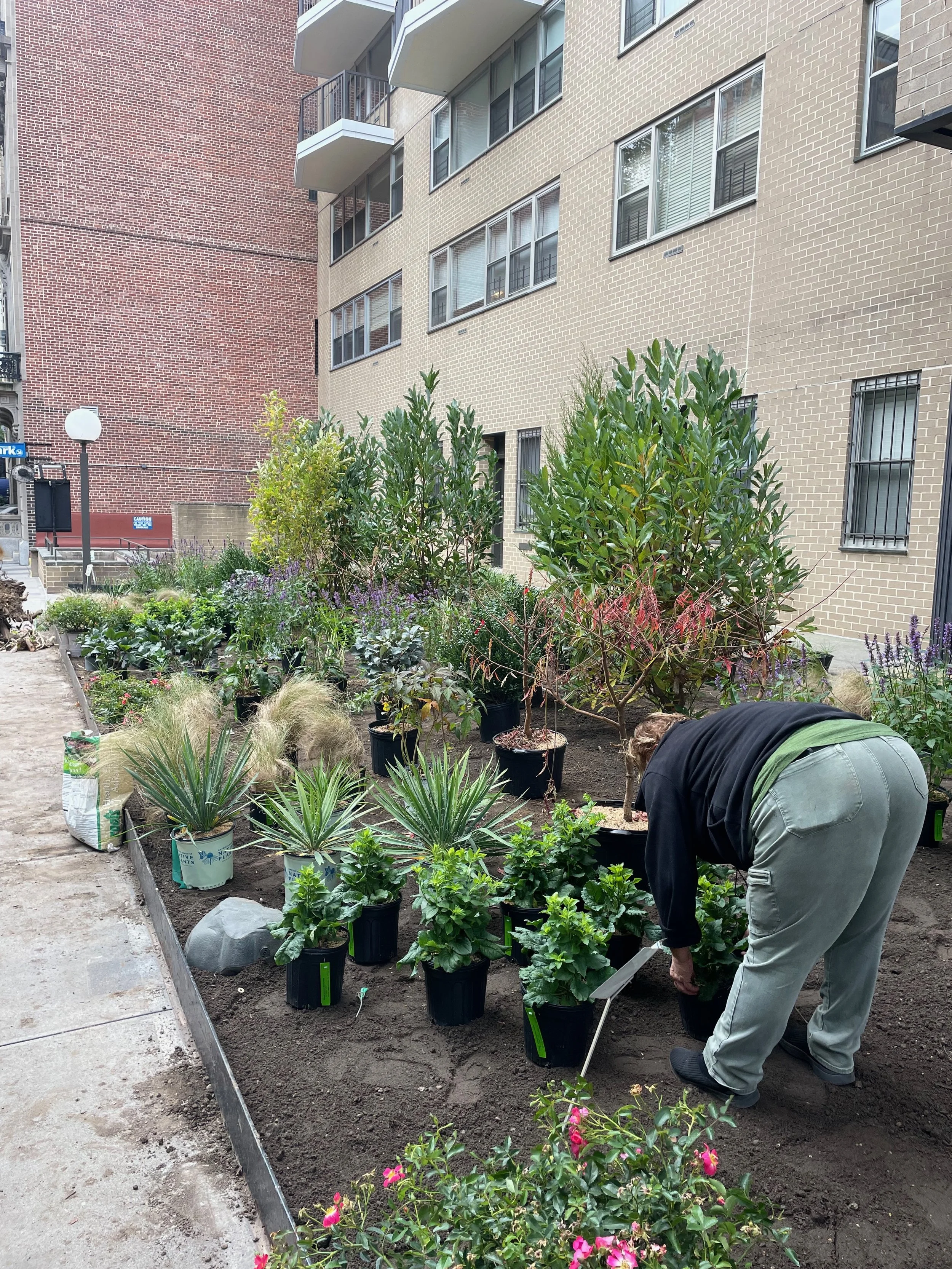
Install Day

Quisque iaculis facilisis lacinia. Mauris euismod pellentesque tellus sit amet mollis.